Is RFID the Right Solution for Your Asset Tracking Needs?
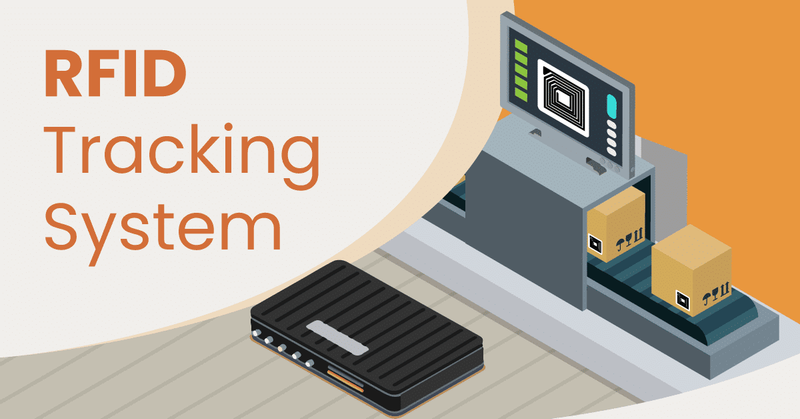
Wondering what has happened to a device, tool, or piece of equipment if you ever felt like this looking at an empty shelf? So, you’re not alone. Every business, regardless of size, encounters the same problems: missing assets, slow searches, inaccurate inventories, and the consequent ripple effects. It is annoying. It is expensive. And it is surprisingly frequent.
That is when, usually, somebody from your team suggests, “Perhaps we should implement RFID for asset tracking.”
Is it the right choice for your asset tracking requirements, though?
Let us take a closer look at the options, and do so in a frank and open manner, combining practicality and creativity. You may be surprised by the things you will find out.
The Real Question Behind the Question
Asking a deeper question helps us to be more specific in our technology search: What are your concerns regarding the asset-tracking system? Is it saving time or protecting equipment? Would you like to have accurate counts without the need to spend entire weekends in the aisles with a clipboard? Or perhaps you want fewer mistakes. Less guessing. Less waste. RFID is not only a method but also an entirely new perspective regarding the asset. Your decision to use it or not should depend solely on your current problems.
So, What Makes RFID Different?
Think of RFID as the upgrade to traditional tracking. Barcodes need line of sight. Someone has to stop, point at the scanner, and capture each item one by one. It’s simple, but slow.
RFID doesn’t play by those rules.
It can scan dozens, sometimes hundreds, of tagged items at once.
It reads through boxes, bins, cabinets, and even walls in some cases.
It tracks movement without waiting for someone to manually record it.
Everything feels faster, lighter, more automated.
Assets start behaving like they’re alive… whispering, “Hey, I’m right here.”
If that sounds like a dream for your kind of work, RFID may be exactly what you need.
When RFID Makes Perfect Sense
There are moments when RFID isn’t just useful, it’s a game-changer. Ask yourself a few quick questions:
Do your assets move constantly?
If tools, totes, equipment, or parts shift from place to place all day long, RFID gives you near real-time awareness.
Do items get misplaced often?
RFID excels at rapid searching. Walk with a handheld reader, and lost items practically reveal themselves.
Do you manage lots of similar-looking items?
RFID doesn’t care if things look identical. Each tag is unique, so mix-ups and mistaken identities fade away.
Do you spend too much time counting inventory?
RFID turns hours of scanning into minutes of gliding through your space.
Do you need audit trails or compliance reports?
RFID automatically timestamps movements, perfect for regulated industries.
If your head is nodding right now, that’s a pretty strong signal you’re on the right track.
But Let’s Be Honest: RFID Isn’t for Everyone
Every technology has limits, and it’s only fair to acknowledge them.
If you only have a handful of assets or you rarely lose items, RFID might be more horsepower than you need. Barcodes may be enough.
If you work in environments with lots of metal or liquids, RFID can behave unpredictably unless you choose the right tags and hardware. It still works, just requires planning and expertise.
And if you’re imagining a plug-and-play system that magically organizes everything without setup? RFIDs are not that. It needs a clear strategy, good tagging practices, and thoughtful workflows.
Still, the payoff usually outweighs the effort, especially once you see the time savings stack up.
The Emotional Side: Calm in the Chaos
Let’s talk about something that rarely makes it into tech discussions: how it feels to work without asset visibility.
- The frustration of hunting for something that should’ve been right there.
- The tension of delayed projects.
- The doubt that creeps in when numbers don’t match.
- The irritation of constantly retraining employees who keep repeating the same mistakes.
RFID softens that tension. It gives your team confidence because they know the system has their back. It takes the guesswork out of daily operations. And in environments where every minute counts, that peace of mind is priceless.
What RFID Looks Like in Action
Picture this.
- A technician checks out a tool without even slowing down, and RFID captures the movement automatically.
- A manager completes inventory in a tenth of the usual time.
- A missing laptop beeps louder and louder on the reader until it’s found tucked behind a cabinet.
- A production line gets the right parts because the system confirms everything in real time.
- A warehouse suddenly starts running smoother, quieter, faster.
That’s RFID for asset tracking working the way it’s meant to. Invisible. Seamless. Almost effortless.
When employees start saying things like, “Wow, that was fast,” you know it’s doing its job.
Choosing the Right Type of RFID
Yes—there are multiple flavors. But don’t let that scare you.
- Passive RFID works for most asset-tracking applications. Affordable. Simple. Effective.
- Active RFID is for high-value items you need to monitor in real time.
- Specialized tags handle metal, liquids, extreme temperatures, and harsh environments.
You don’t need to figure this out alone. The key is matching your assets and workflows to the right technology. Once that’s done, the pieces snap into place.
The Bigger Picture: Scalability and Growth
RFID isn’t just a solution for today; it prepares your business for tomorrow.
As your operations grow, your visibility needs grow too. And RFID scales beautifully. You can start small, tagging only critical assets, and expand at your own pace.
That flexibility means you’re not locking yourself into a rigid system. You’re building a foundation that adapts as your world evolves.
So… Is RFID Right for You?
Here’s the truth: you’ll know the answer when you look at your current challenges honestly.
If losing assets frustrates you, RFID helps.
If you waste hours searching, RFID helps.
If you’re tired of inaccurate counts, RFID helps.
If speed, clarity, and accountability matter, RFID helps.
RFID isn’t about replacing people. It’s about giving them the tools to work smarter, not harder.
And if you’re imagining a business where assets don’t “go missing,” where audits aren’t painful, and where you trust your data instead of hoping it’s right… Then yes, RFID might just be the solution you’ve been waiting for.
You don’t need to jump in all at once. Just start with the question:
What would better visibility change for us?
Chances are, the answer leads straight to RFID. So, contact Lowry Solutions now.