Why Trade Show General Contractors Are Essential for Large-Scale Exhibitions and Conventions
Exhibitions and conventions still play an essential role in business-to-business marketing and industry interactions. They are the events that somehow take the company face-to-face with their potential customers, partners, and even the ones people already have in a setting that is specifically designed for maximum interaction and networking. Every year, trade shows are where millions of dollars' worth of deals are made, and relationships formed, not to mention the enhancement of brand images. But every event that is a success has behind it a partner that is indispensable yet overlooked: the trade show general contractor.
Even if you are just preparing your first booth or are responsible for a global exhibition program, the knowledge of the trade show general service contractors' role is crucial. They supply the professionals who manage the logistics and operations required to carry out large-scale shows. No matter how good the product or the pitch is, it can still be overshadowed on the show floor due to chaos if these people are not there.
What a Trade Show General Contractor Does
A general contractor for trade fairs is fundamentally the operational backbone of the exhibition. They take charge of the whole activity from planning to plunging down, making the places where the exhibitors are showing nice and cool to function according to the plan. The function involves a lot of responsibilities and demands synchronization with the various entities, like the venue, vendors, exhibitors, and event planners.
Up to now, the analysts from the industry usually refer to general contractors as the people who impose foils on the complex and time-sensitive environment. Typical of their job are the activities of booth set up and dismantling, transportation and drayage management, crew organization for different labor services and electricity, and the like, which are just a few examples of show services that they oversee.
Strategic Planning and Logistics
A major part of what these contractors do happens long before the first attendee steps through the doors. They collaborate with organizers and exhibitors to create floor plans that account for traffic flow, safety, compliance, and exhibitor needs. These plans guide where booths will sit, how attendees will move through the space, and where essential utilities like power, internet, and lighting will be located.
Efficient logistics also mean managing freight from arrival to placement. Shipping crates and exhibit materials can arrive in vast quantities, and without careful coordination, delays or confusion are common. An experienced contractor keeps all moving pieces on schedule.
Installation and Dismantle (I&D)
After the planning phase, execution becomes the concern. The installation of exhibits and displays requires a lot of accuracy. Teams build custom or modular booths, arrange furniture, put up lighting, and link audio-visual systems. After the exhibition is over, these teams do the opposite, taking apart the exhibits carefully and getting them ready for either transport or storage. Willwork
When this phase arrives, it is only the experienced laborers who are familiar with the rules of the place, safety measures, and the precise requirements of the setup that is to be used. In case there were no such experts to assist the exhibitors, they would most likely have to endure costly delays and possibly even be fined for not adhering to safety regulations.
Vendor and On-Site Coordination
The general service contractors for the trade show are the primary means of communication between the vendors, exhibitors, venue staff, and show organizers. They work out the schedules, supervise the activities of the third-party suppliers, and help ensure that no glitches take place in the coming together of all elements of the show. This kind of coordination is the main reason there are no overlaps, scheduling errors, or miscommunication, which can ruin even the most well-planned exhibitions.
Why They Are Crucial for Large-Scale Events
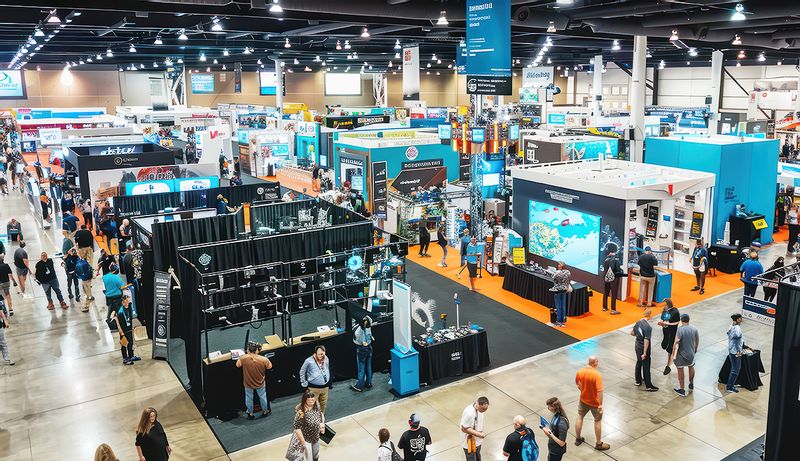
Large exhibitions bring about difficulties that smaller fairs do not. Convention centers can cover areas of up to several hundred thousand square feet. Exhibitors might be in the hundreds or even in the thousands. Registrants expect a flawless process from the very first step to the very last session. In such settings, minor issues related to logistics are often blown out of proportion very fast.
Safety and Compliance
There are a number of exhibitions that must be in accordance with local building codes, fire marshal mandates, union labor rules, and venue limitations. The general contractor of a trade show skillfully handles this regulatory environment, guaranteeing that the booths are erected in a safe manner, the aisles are not obstructed, and the emergency routes are still accessible.
Not conforming can result in penalties, halts in work, or tarnishing of your brand’s name. Professional contractors know these rules well, and besides, they facilitate the exhibitors to get the whole thing done without any hassle.
Enhanced Attendee Experience
Well-designed floor plans have a positive impact on the flow of people, the reduction of traffic jams, and the creation of easy-to-follow paths for the guests. The contractors use both their data and knowledge to place the major attractions and create areas that seem big and easy to navigate. These factors often affect the degree of attendee satisfaction, which, in turn, makes the event more beneficial for the exhibitors.
Risk Management and Troubleshooting
Even with careful planning, issues arise. A key piece of equipment might arrive late. A technical connection might fail. When these situations occur, the general contractor is on the ground to solve them quickly, minimizing disruption and maintaining the schedule.
Their presence reduces risk and lets exhibitors concentrate on engagement, not logistics.
What General Contracting Services Include
The term general contracting services covers a broad range of tasks. These often include:
- Floor plan development and booth placement coordination
- Material handling and drayage management
- Installation and dismantling teams for exhibit build and breakdown
- Signage and graphics installation
- Audio-visual integration and staging support
- Furniture, carpet, and accessory rentals
- Show management services such as rigging, lighting, and traffic optimization
General contracting services are tailored to the size and complexity of the event. In large shows, the contractor essentially becomes an extension of the exhibitor’s team.
Choosing the Right Partner
Selecting a reliable trade show general contractor is not a trivial decision. The right partner can elevate your presence, improve ROI, and save you time and stress.
One provider to consider is Willwork, a company offering comprehensive general contracting services tailored to large exhibitions and conventions. Their team works with clients from the planning stages to final execution, managing logistics, installation, and dismantling, signage, AV solutions, and on-site support. You can explore their offerings at Willwork.
When evaluating contractors, look at:
- Experience with similar event sizes and industries
- Range of services and ability to scale
- Training and expertise of labor crews
- Project management and communication practices
A contractor should feel like part of your extended team, bringing clarity and reliability at every step.
How They Help Exhibitors Focus on What Matters
Exhibitors that are present at trade shows pour a lot of money into these events. The costs of designing a booth, making promotional materials, staffing, and traveling can very easily total a huge amount of money. If the logistics are managed properly, the exhibitors will be able to concentrate on their main objectives: meeting potential clients, improving relationships, and achieving business results.
The contractors for trade shows are very important to the success of big exhibitions and conventions. The experts in this field make it possible for very complicated events to take place without any problems, with safety measures and effectiveness as well. They take care of a lot of things that the exhibitors themselves would not want to manage, including strategic planning and logistics coordination, hands-on installation, and vendor management.
In a situation where first impressions are very important and every second on the show floor is very valuable, working with a professional contractor is a wise decision that will get you a good return on investment. Consider providers like Willwork, who you can trust to help you get the right team for your upcoming trade show, and not to mention the value of your presentation in terms of a good outcome.