How Extended Stays Away from Home Affect Well-Being and What Corporate Housing Can Do About It
Corporate assignments that extend for months take a real toll on the professionals living through them. The housing environment during these stays shapes well-being outcomes more than either employers or assignees typically recognize.
Professionals on extended assignments away from home carry a specific kind of wear that shorter travel does not produce. The disruption to normal routines. The distance from family and social networks. The absence of familiar spaces. The accumulated fatigue of living out of a suitcase, even a metaphorical one. These effects compound over weeks and months, and they affect both the individual's well-being and their ability to deliver on the assignment that brought them away in the first place. Corporate housing during these extended stays can meaningfully mitigate or worsen these effects, and understanding how helps both employers making assignment decisions and assignees choosing among housing options.
What Extended Stays Actually Do to People
Research on extended business travel and expatriate assignments has documented specific patterns. Sleep quality often deteriorates over the first few weeks. Exercise routines fall apart when the environment does not support them. Nutritional patterns shift toward restaurant food, which affects both health and mood. Social isolation grows as the days without familiar people accumulate. Work performance itself often declines even as the assignee tries to compensate through longer hours. These effects are cumulative rather than immediate, which is why they often catch employers and assignees by surprise when they eventually manifest.
How Housing Environment Shapes These Effects
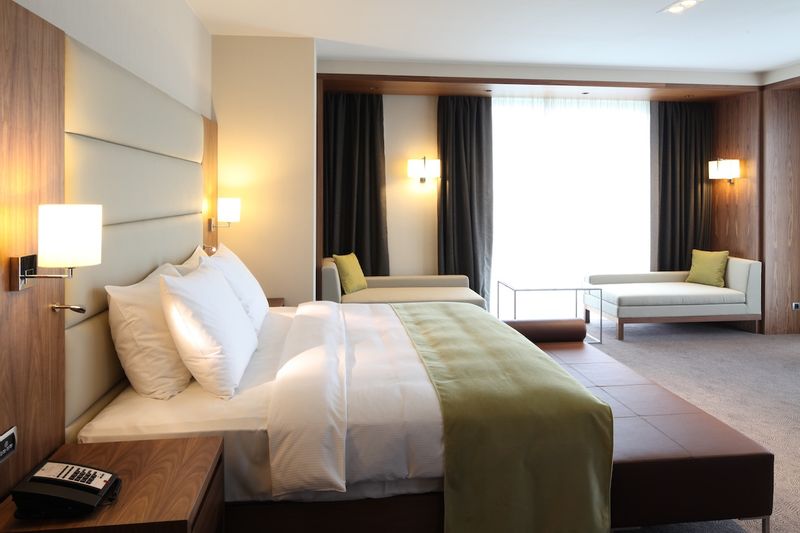
The Corporate housing environment influences most of these well-being dimensions. A comfortable, quiet space supports sleep. A functional kitchen supports normal nutrition. Proximity to exercise options or in-building fitness supports movement. Community spaces support incidental social contact. Personal space that feels like home rather than a temporary landing pad supports psychological continuity. Each of these dimensions can be present or absent in specific housing choices, and the cumulative difference across dimensions produces meaningfully different well-being outcomes over months of use.
The Kitchen and Nutrition Connection
The kitchen is often the single most important room for extended stay well-being. A fully functional kitchen with adequate space, working appliances, and proper cookware allows the assignee to cook meals matching normal home patterns. This supports better nutrition, provides psychological continuity through familiar cooking routines, and reduces the cumulative effect of restaurant food on health and finances. Kitchens that look adequate for demonstration but do not actually support daily cooking produce the opposite pattern, pushing assignees toward takeout that affects both health and budget.
- Functional cookware in the range that matches normal home cooking rather than minimal starter sets
- Adequate storage for groceries that support a full week of home cooking
- Kitchen appliances in working condition matching what a home kitchen would provide
- Space to prepare meals rather than cramped counters that make cooking feel like an ordeal
- Dishwashing capability that matches the volume real cooking produces
Sleep Environment Quality
Sleep during extended stays affects everything else. The mattress matters, the room environment matters, and the acoustic environment matters. A mattress that produces poor sleep for the first week rarely improves in subsequent weeks. A room with light or noise problems affects sleep consistently across the stay. Building environments with quiet enough conditions to support normal sleep cycles produce different outcomes than buildings with noise or activity patterns that disrupt sleep regularly. These factors compound over the extended stay period in ways that shorter stays would not reveal.
Movement and Exercise Support
Exercise routines depend on environmental support. A building with fitness facilities that actually work makes maintaining exercise habits practical. A location near walking or running routes supports outdoor activity. Access to gyms nearby fills gaps in building facilities. Extended stays in environments that do not support exercise routines often produce weight gain and fitness decline that assignees struggle to reverse after the assignment ends. The housing choice shapes what exercise routines are possible during the stay.
Community and Social Contact
Extended stays away from home produce specific social isolation risks. Housing environments that support incidental social contact through common areas, community events, or simply having neighbors help maintain the social contact that supports well-being. Housing that isolates assignees in essentially anonymous units for months at a time can worsen the isolation that extended travel already produces. Neither extreme fits every assignee, but the community dimension of housing choice deserves consideration rather than being treated as irrelevant.
The Family Visit Support
Extended assignments sometimes involve family visits during the stay period. Housing that accommodates visitors makes these visits practical rather than requiring hotel stays that turn family visits into their own logistical exercises. Guest sleeping arrangements. Adequate space for two people to work and live comfortably. Kitchen and living space that supports family life during visits. These accommodations preserve family connection during extended stays in ways that isolated single-person units cannot support.
Choosing Housing That Supports Well-Being
Corporate housing selection during extended assignments deserves attention to these well-being dimensions rather than focusing only on cost and basic functionality. The cost of poor housing during extended stays shows up in productivity, health, and eventual attrition in ways that pure housing cost analysis misses. Selecting housing that actively supports well-being produces better outcomes for both the assignee and the employer over the assignment period.
Professionals on extended assignments and the employers who send them benefit from working with Gardens of Lafayette and other corporate housing providers who understand the well-being dimensions that extended stays actually involve. The right corporate housing choice becomes an active support for well-being across the assignment period rather than just a place to sleep between work days.
Building Sustainable Assignment Experiences
Extended assignments can succeed for both the assignee and the employer when the surrounding infrastructure supports the human dimensions of long-term displacement from home. Gardens of Lafayette and similar corporate housing providers who invest in the details that shape well-being produce different assignment experiences than providers focused only on the transaction. Employers who select housing partners based on this understanding produce assignments that deliver the intended value while supporting the assignees who make the delivery possible.
For extended corporate assignments, working with a corporate housing provider like Gardens of Lafayette that supports well-being during long stays produces better outcomes for everyone involved.
Frequently Asked Questions
How long is an extended corporate assignment?
Extended assignments typically run three months to a year, though shorter stays of one to three months share many of the same well-being dynamics. The cumulative effects of displacement from home develop over weeks rather than requiring longer time horizons.
Does housing quality really affect assignment success?
Yes, though the connection is often underappreciated. Poor housing produces well-being effects that affect work performance, retention, and eventual willingness to accept future assignments. Housing investment often pays back through better assignment outcomes.
What matters most for extended stay housing?
Kitchen functionality, sleep quality, exercise support, and space for normal life patterns typically matter most. These factors affect daily well-being across the full stay in ways that show up in cumulative effects over weeks and months.
Can family visits happen during corporate assignments?
They usually can, and they matter for maintaining family connection during extended stays. Housing that accommodates visitors makes these visits practical rather than requiring separate hotel logistics.
Are all corporate housing providers similar?
No. Providers vary significantly in the specific details that shape extended stay well-being. Evaluating providers on these specific dimensions rather than on basic functionality produces meaningfully better outcomes for extended stays.